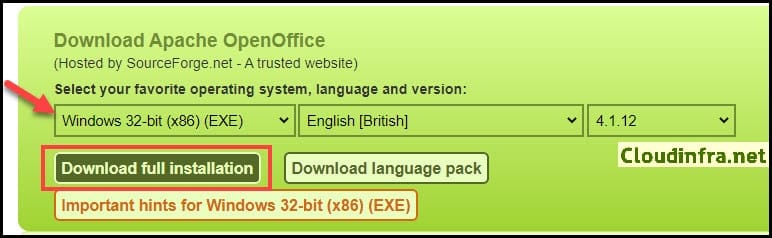
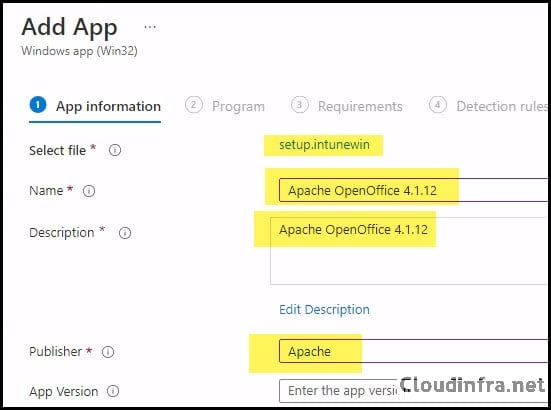
In this post, I will show you the steps to deploy Apache OpenOffice using Intune on Windows 10 and Windows 11 devices. Apache OpenOffice is still distributed as a 32-bit (x86) application for Windows, but it runs correctly on 64-bit Windows via the WoW64 subsystem. For more information, refer to the link: Apache OpenOffice for Windows.
I will be covering the below topics in this post:
Download the Apache OpenOffice Windows installer.
Repackage it into a .intunewin file using the Microsoft Win32 Content Prep Tool.
Configure install / uninstall commands and a reliable detection rule.
Monitor the deployment status in the Intune admin center.
Note: Apache OpenOffice 4.1.12 and 4.1.13 are used as examples in this post. At the time of updating this article, the latest maintenance release is 4.1.16. Replace the version numbers with the one you plan to deploy.
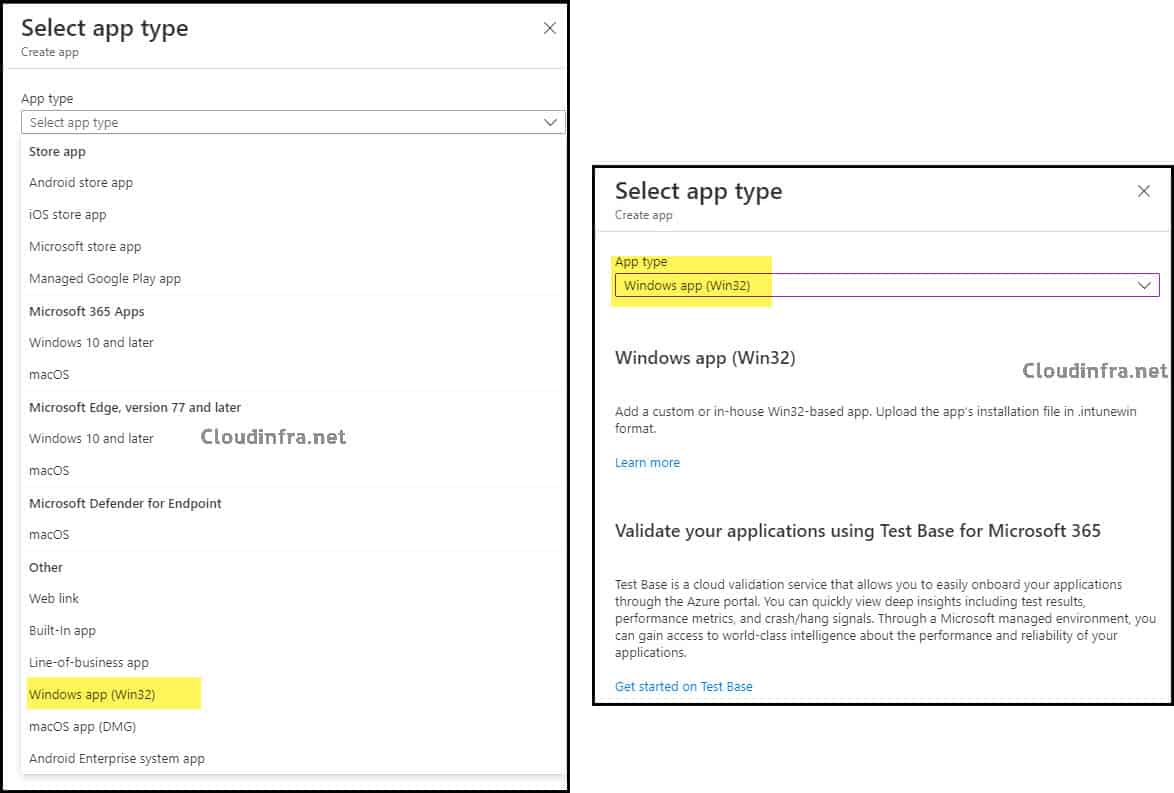
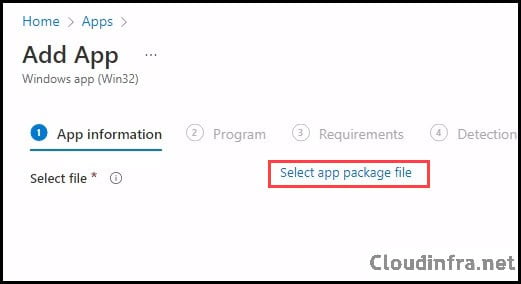
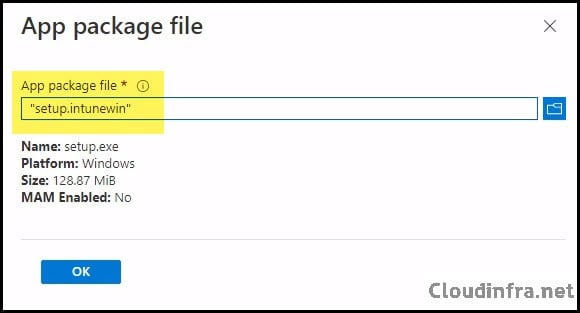
We will deploy this as a Win32 app (packaged .intunewin) from Intune. This gives us full control over install/uninstall commands, detection rules, and requirement logic.
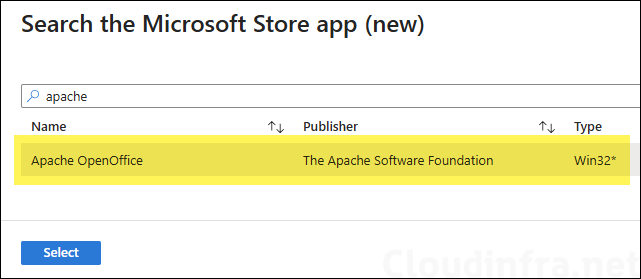
Alternative: Apache OpenOffice is also available in the Microsoft Store for some languages, which you can deploy via the Microsoft Store app (new) app type in Intune. This post focuses on the Win32 method for maximum flexibility. For steps on how to deploy Microsoft Store (new) app, refer to the guide Deploy Microsoft Store Apps Using Intune.
Step 2: Create .Intunewin file
Before deploying Apache OpenOffice via the Intune admin center, we need to package it in .Intunewin format. Let’s check the steps:
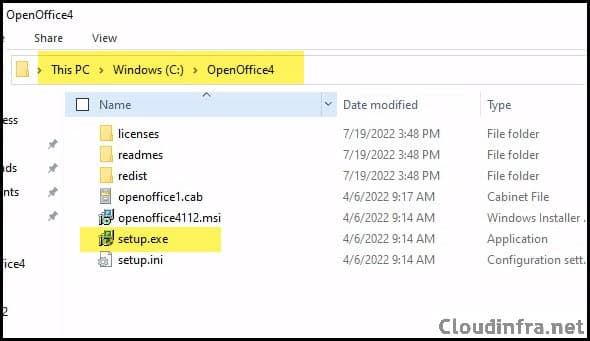
Extract the Apache_OpenOffice_4.1.12_Win_x86_install_en-GB.exe installer into any folder, for example, C:\OpenOffice4.
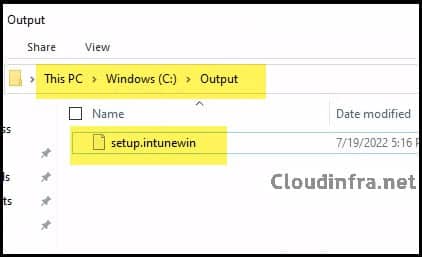
Create an empty folder, for example, C:\output, or anywhere else.
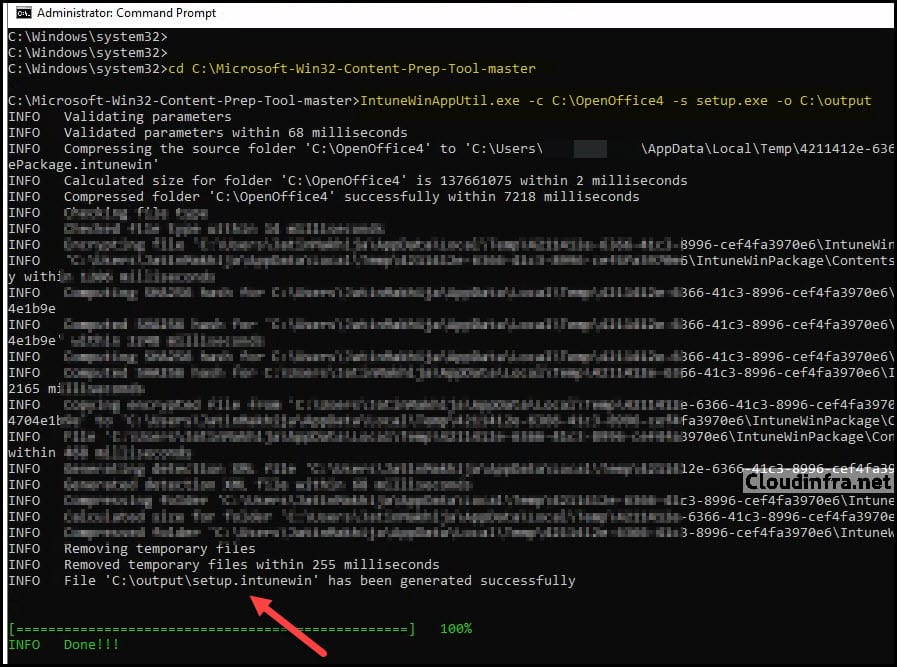
Repackage the application folder OpenOffice4 into a .intunewin file using IntuneWinAppUtil.exe, found in the Microsoft Win32 Content Prep Tool.
Open an elevated command prompt and change to the folder where IntuneWinAppUtil.exe is located. After that, create an intunewin file by running below command.
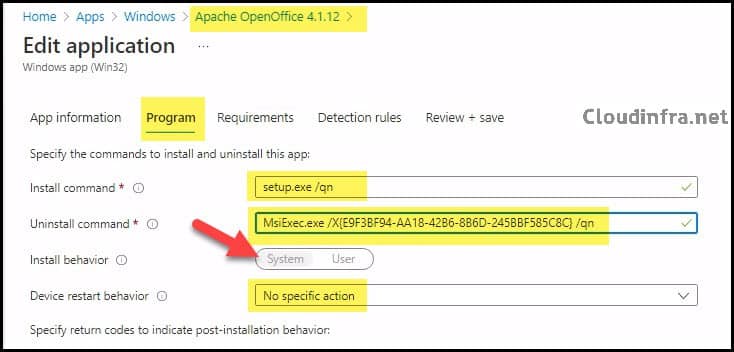
Specify return codes to indicate post-installation behavior: Keep default
This runs the extracted MSI in quiet mode. If you prefer to use the original EXE instead of extraction, you could also use the vendor-documented silent switches, for example, Apache_OpenOffice_xxx.exe /S /v /qn, but the extracted setup.exe /qn approach is fine for Win32 deployments.
about Install command: setup.exe /qn
UninstallString used in the command depends on the specific version of Apache OpenOffice installed on the PC. You might have a different UninstallString for different versions. To ensure you’re using the correct UninstallString, you can check the registry locations below and update it in the command accordingly.
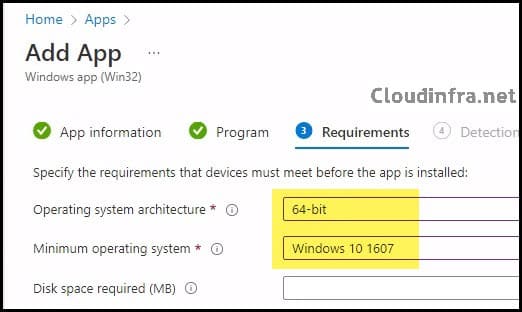
Requirements: You can specify the requirements that devices must meet to deploy the app. If your devices mix 32-bit and 64-bit types, check the boxes for 32-bit and 64-bit in the operating system architecture drop-down. Else, go with 64-bit.
Operating System Architecture: Select 64-bit
Minimum operating system: Select the operating system version used in your environment.
Detection Rules
There are two options for configuring a detection rule for the Apache OpenOffice app. The first option is to use the MSI detection method, which is recommended. The second option is to use a file-based detection method.
Option A – MSI detection (recommended)
Because Apache OpenOffice is MSI-based under the hood, you can use an MSI detection rule even if your install command is setup.exe /qn. Intune will query Windows Installer for the product code. This is generally the most reliable detection method for MSI-based apps.
Rules format: Manually configure detection rules.
Rule type: MSI
MSI product code:
For 4.1.12: {E9F3BF94-AA18-42B6-8B6D-245BBF585C8C}
For 4.1.13: {D86F0E67-2C02-4DFF-A46A-6871BA809A51}
MSI product version check: optional
If you want to ensure a particular version or newer, enable Yes and specify the version operator and value.
Option B – File detection
If you prefer file-based detection:
Rules format: Manually configure detection rules.
Rule type: File
Path: C:\Program Files (x86)\
File or Folder: OpenOffice 4
Detection Method: File or folder exists.
Associated with a 32-bit app on 64-bit clients: Yes
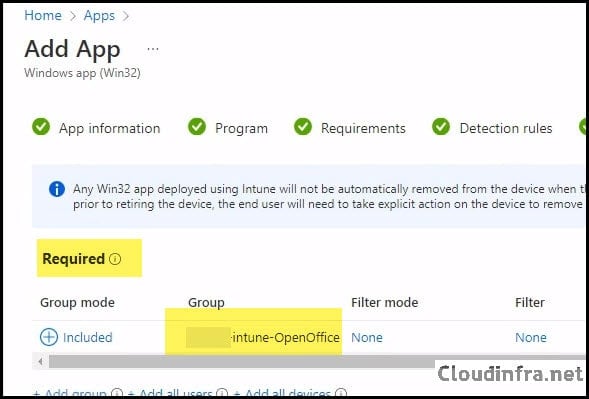
Assignments: Assign the app to Entra security groups that contain the target users or devices. As a best practice, pilot with a small set first; once validated, roll it out more broadly. For guidance on assignment strategy, see Intune assignments: User groups vs. Device groups.
Review + create: Review the deployment and click on Create to start the deployment process.
Monitoring App Deployment
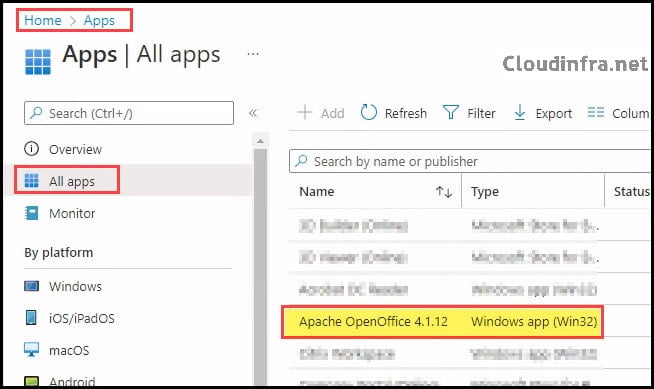
Go to Apps > All apps in the Intune admin center.
Search for Apache OpenOffice and select the app.
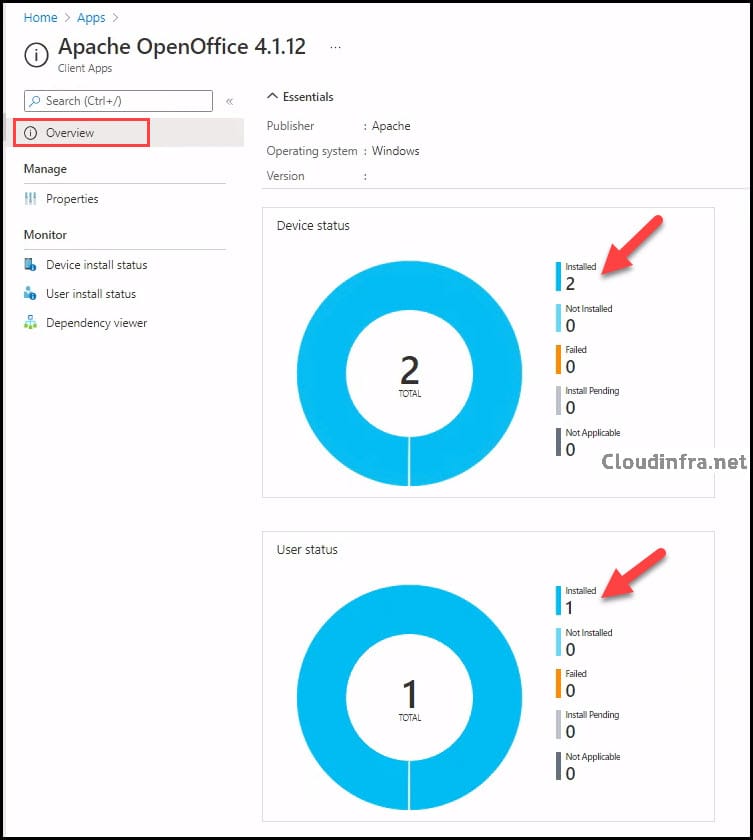
On the app Overview and Device install status / User install status tabs, you can see:
How many devices/users show Installed, Pending, Failed, etc.